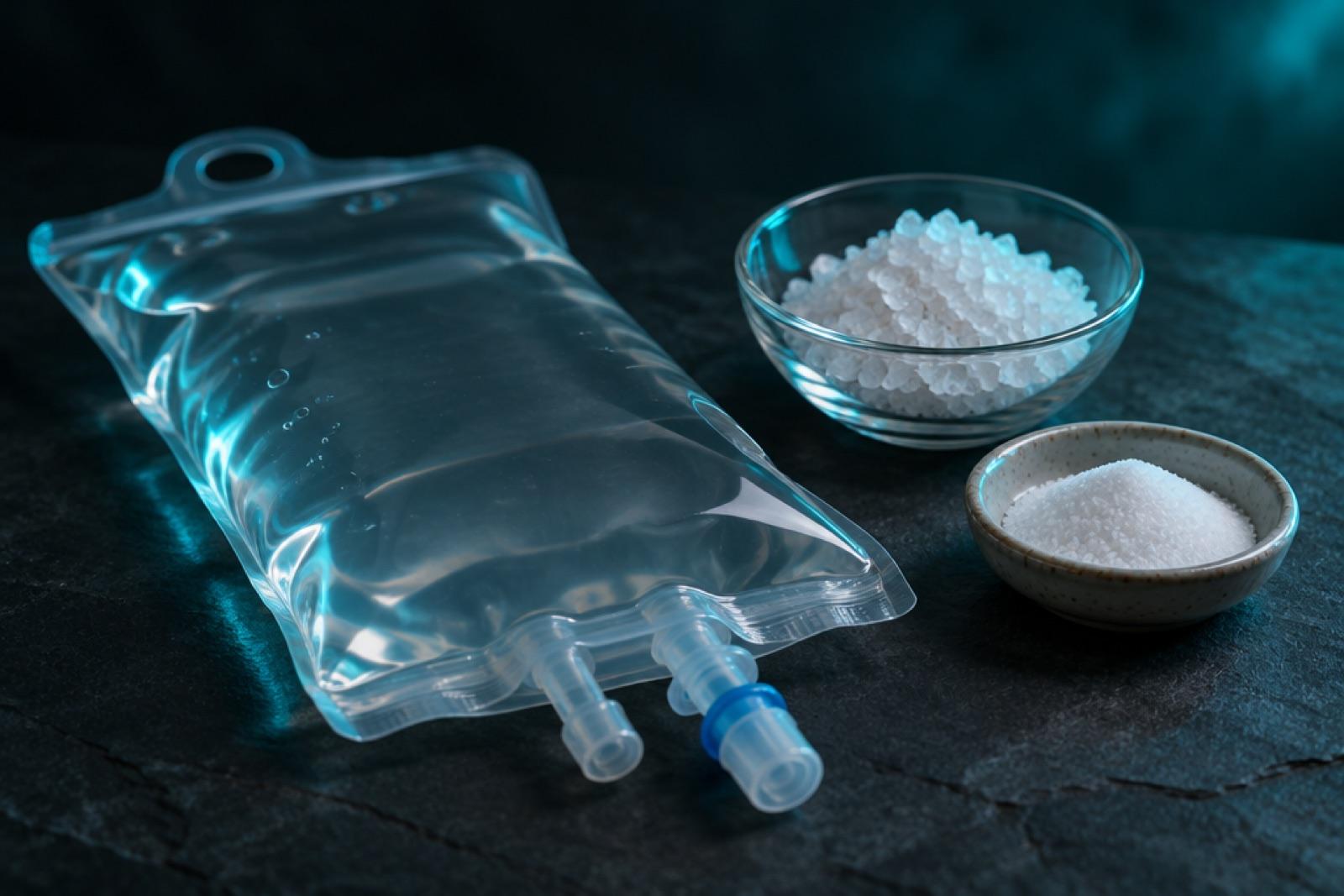
Magnesium is the quiet ingredient. It does not have B12's reputation or vitamin C's name recognition, but it is in four of our drips, it is one of the most requested add-ons, and it is the one clients tend to feel while the bag is running. Here is what magnesium does, why so many people run low, what a magnesium IV feels like, which drips include it, and what to tell your nurse first.
What Magnesium Is
Magnesium is an essential mineral. The body holds about 25 grams of it, most in bone and muscle, and uses it as a cofactor in more than 300 enzyme systems. It comes from food: leafy greens, nuts, seeds, legumes, whole grains, and dark chocolate. Hard tap water contributes some too.
Unlike vitamin C, magnesium is stored, mostly in bone. But the body guards blood levels tightly, so a standard blood test can read normal while the tissue stores are running down. That is part of why a shortfall is common and easy to miss.
What Magnesium Does in the Body
The menu describes magnesium as an essential mineral that supports muscle and nerve function, energy production, and relaxation, often added to help with cramps, tension, and restful sleep. Here is what sits behind each of those.
- Muscle function. Calcium makes a muscle fiber contract. Magnesium lets it relax. When magnesium is short, muscles can stay partly contracted, which shows up as cramps, twitches, and tightness.
- Nerve signaling. Magnesium regulates how easily nerves fire. It is part of why low magnesium is associated with feeling on edge, and why clients describe a settled feeling as it goes in.
- Energy production. The energy molecule every cell runs on, ATP, is only active when bound to magnesium. The chemistry that makes it needs magnesium at several steps.
- Sleep and relaxation. Magnesium is involved in the pathways that calm the nervous system down at night. Clients who book it for sleep usually book it in the evening.
- Heart rhythm and blood pressure. Magnesium is part of the normal regulation of both, which is also why heart and kidney conditions are part of screening before it is given.
Why So Many People Run Low
Surveys consistently find that a large share of adults take in less magnesium than recommended. The usual reasons:
- Diets light on greens, nuts, seeds, and whole grains
- Heavy sweating, which is a Florida problem all year
- Alcohol, which increases the amount the kidneys excrete
- Some common medications, including certain acid reducers and diuretics, which your pharmacist can flag
- Digestive conditions that reduce absorption
- Stress, which increases how much the body uses and loses
The signs are nonspecific: muscle cramps, eye twitches, tension headaches, restless sleep, and fatigue. All of them have other causes too, which is why persistent symptoms belong with a physician, not a drip.
Why It Goes in a Bag Instead of a Tablet
Oral magnesium works, but slowly and unevenly. Absorption from a tablet is partial, and the forms that absorb best are not always the ones on the shelf. Larger oral doses pull water into the gut, which is why magnesium is also sold as a laxative.
An IV delivers a measured dose directly into circulation without the digestive ceiling. That is why clients who want magnesium on a specific day, before a race, after a cramping week, or the evening before a hard stretch, choose the drip. Because the kidneys regulate magnesium, kidney health is part of screening, and IV treatment cannot be administered to people with kidney failure, chronic kidney disease, or renal failure, or people on dialysis.
What a Magnesium IV Feels Like
Magnesium is the ingredient clients most often notice. As it goes in, many describe a spreading warmth, a flushed feeling, and a sense of relaxation. Some feel sleepy. These sensations are tied to the infusion rate, and your nurse slows the drip if they are stronger than comfortable. They typically settle as the bag finishes.
For that reason, many clients book magnesium-heavy drips for the evening and plan to stay in afterward. Mild tenderness or bruising at the IV site can occur, as with any IV. If anything feels wrong, severe, or rapidly worsening at any point, call 911. Elite does not provide emergency care.
Which Elite Drips Include It
Magnesium appears on our menu in four drips and as an add-on.
| Where | Built for | Also in the bag |
|---|---|---|
| Elite (Myers' Cocktail) | General wellness | B-complex vitamins, vitamin C |
| First Class | Muscle and cramps | Calcium, Vita Complex, B12 |
| Palm Luxe | Longevity | High-dose glutathione, Vita Complex, taurine |
| Piper's Angels Infusion | Purpose-driven wellness | B12, vitamin C |
| Magnesium (add-on) | Any drip | $30 |
First Class is the drip built around it. The menu describes it as a blend that supports optimal muscle function, reduces cramping, and helps ease premenstrual cramps, with calcium and magnesium working together to promote muscle contractions and relaxation. Clients booking around training, as we covered in IV hydration for workout recovery, tend to choose First Class. Clients booking for general wellness or sleep tend to add magnesium to the Myers' Cocktail, which already contains some.
Prices are on the drip menu.
What to Tell Your Nurse First
- Kidney conditions. The kidneys clear magnesium. See the exclusion list below.
- Heart conditions or heart rhythm problems. Magnesium affects heart rhythm and blood pressure, and your nurse needs to know.
- Low blood pressure or lightheadedness. Magnesium can lower blood pressure slightly during the infusion.
- Muscle weakness conditions. Including myasthenia gravis.
- Medications. Especially heart medications, muscle relaxants, and anything your prescribing physician should weigh in on.
- Pregnancy. Always consult with your OB-GYN before starting any IV therapy during pregnancy.
As with every Elite service, screening happens before the bag is hung, and the nurse can adjust or decline an ingredient if it is not appropriate for you that day.
Who Should Talk to Us First
All IV services are subject to appropriate medical screening and provider protocols. Elite's licensed team confirms the appropriate service for each appointment, and services may be modified, postponed, or declined when clinically appropriate. IV treatment cannot be administered to people experiencing a medical emergency; people with congestive heart failure, kidney failure, chronic kidney disease or renal failure; people on dialysis; people with a recent thrombolytic event; or people with abnormal vital signs.
The Short Version
Magnesium is the mineral that lets muscles relax, keeps nerves steady, and activates the energy molecule every cell runs on. Many adults take in too little, and sweat, alcohol, stress, and some medications drain it further. An IV delivers a measured dose past the gut, which is why it is in four of our drips and is a $30 add-on to any other. Expect warmth and a relaxed feeling as it goes in, book it for the evening if sleep is the goal, and tell your nurse about heart or kidney history first.
Cramping, tense, or sleeping badly? Book an Elite Infusions + Wellness appointment or contact our team and we will help you choose.
Educational note: This content is for general education and is not medical advice. Services and supplements should be selected after appropriate screening and, when indicated, consultation with a qualified healthcare professional. Individual results vary.